

Fashion dropshipping has become one of the most accessible ways to start an online business, especially for entrepreneurs who love style but do not want the risks of holding inventory. It combines the fast-moving nature of fashion with the flexibility of e-commerce, making it appealing to beginners and experienced sellers alike. While the concept sounds simple, success in fashion dropshipping depends on strategy, branding, and a clear understanding of how the industry works.
This guide breaks down what fashion dropshipping is, how it works, why it is popular, and how you can build a sustainable business around it. Along the way, you will find practical examples, common challenges, and tips that help you stand out in a competitive market.
What Is Fashion Dropshipping?
Fashion dropshipping is a retail fulfillment model in which you sell clothing, accessories, or footwear online without holding physical inventory. Instead of buying products upfront, you partner with suppliers who manufacture or store the items. When a customer places an order on your website, the supplier ships the product directly to the customer on your behalf.
In this setup, you focus on branding, marketing, and customer experience, while your supplier handles production, packaging, and shipping. Your profit comes from the difference between the price you charge customers and the price you pay your supplier.
Fashion dropshipping can encompass a wide range of products, including casual wear, streetwear, activewear, handbags, jewelry, sunglasses, and seasonal accessories. Because trends change quickly, this model allows sellers to test new styles without committing to large inventory purchases.

Why Fashion Dropshipping Is So Popular
Fashion dropshipping continues to grow because it lowers many of the traditional barriers to entering the fashion industry.
One significant advantage is the low startup cost. You do not need to invest thousands of dollars in inventory or rent warehouse space. This makes it easier for new entrepreneurs to start small and scale gradually.
Another reason is flexibility. You can run a fashion dropshipping business from anywhere with an internet connection. This appeals to digital nomads, freelancers, and creatives who want location independence.
Fashion is also a naturally engaging niche. People enjoy browsing clothing and accessories, discovering new styles, and expressing their identity through what they wear. This makes it easier to create content, build a brand voice, and connect with customers emotionally.
Finally, the rise of social media platforms like Instagram, TikTok, and Pinterest has made fashion marketing more visual and powerful than ever. A single viral post can drive massive traffic to a dropshipping store if the product and presentation are right.
How Fashion Dropshipping Works Step by Step
Understanding the basic workflow helps clarify what your role is and where to focus your energy.
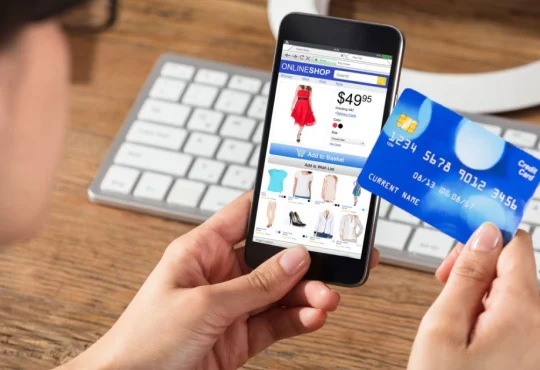
First, you choose a fashion niche and set up an online store using platforms like Shopify, WooCommerce, or similar e-commerce builders. Your store showcases products, pricing, descriptions, and images.
Next, you partner with fashion dropshipping suppliers. These can be manufacturers, wholesalers, or platforms that connect sellers with suppliers. You import product listings into your store, often using automation tools.
When a customer places an order, payment goes to you. You then forward the order details to your supplier, either manually or automatically. The supplier packages and ships the item directly to the customer.
After shipping, you provide tracking information and handle customer service inquiries. If there are issues such as delays, defects, or returns, you act as the bridge between the customer and the supplier.
Choosing the Right Fashion Niche
One of the biggest mistakes new sellers make is trying to sell everything. Fashion is broad, and focusing on a specific niche helps you attract the right audience and build a recognizable brand.
A niche could be based on style, such as minimalist fashion, vintage-inspired clothing, or streetwear. It could also focus on a target audience, like women’s workwear, plus-size fashion, men’s accessories, or eco-conscious shoppers.
For example, a store that specializes in sustainability might focus on organic fabrics, ethical production, and timeless designs. Another store might target festival fashion with bold colors, statement pieces, and playful accessories.
When choosing a niche, consider demand, competition, and your personal interests. Selling products you genuinely understand makes it easier to write authentic descriptions, create content, and connect with customers.
Finding Reliable Fashion Dropshipping Suppliers
Your supplier plays a critical role in your business. Even the best marketing cannot save a store if products arrive late, poorly made, or not as described.
Reliable suppliers should offer consistent quality, clear communication, and reasonable shipping times. It is also important that they provide accurate product photos and sizing information, especially in fashion, where fit matters.
Before committing to a supplier, order samples whenever possible. This allows you to check fabric quality, stitching, sizing accuracy, and packaging. It also helps you understand what your customers will experience.
Some sellers work with overseas suppliers to keep costs low, while others choose local or regional suppliers for faster shipping. Each option has trade-offs, so it is worth testing different approaches before scaling.

Building a Fashion Brand, Not Just a Store
Successful fashion dropshipping stores feel like brands, not generic product catalogs. Branding creates trust and emotional connection, which are essential in fashion.
Your brand includes your logo, color palette, typography, tone of voice, and overall aesthetic. It also consists of the story you tell about why your store exists and who it is for.
For example, a modern women’s fashion brand might use clean visuals, neutral tones, and confident language. A youth-focused streetwear brand might lean into bold graphics, slang, and high-energy imagery.
Consistency matters. Your website, social media, emails, and packaging should all feel like they belong to the same brand. This makes your store more memorable and encourages repeat purchases.
Creating Product Listings That Convert
In fashion dropshipping, product pages do much of the selling for you. Strong listings combine clear visuals with informative and engaging copy.
High-quality images are essential. Customers want to see how clothing fits, how it moves, and how it looks from different angles. Lifestyle images often perform better than plain product shots because they help customers imagine wearing the item.
Product descriptions should go beyond basic details. Instead of just listing materials and sizes, explain how the item feels, how it can be styled, and where it fits into everyday life.
For example, instead of saying “cotton oversized shirt,” you might describe it as a relaxed staple that works for casual weekends, layering in cooler weather, or dressing up with tailored pants. This kind of description adds value and improves SEO by naturally including relevant keywords.
Pricing Strategies for Fashion Dropshipping
Pricing in fashion dropshipping requires balance. You want prices that are competitive but still allow room for profit after marketing costs, platform fees, and potential returns.
Research similar products in your niche to understand market expectations. Premium branding can support higher prices, while trend-driven items may need sharper pricing to compete.
Many successful stores use perceived value rather than cost-based pricing. This means pricing items based on how customers see the brand and product, not just how much they cost to source.
Bundling products, offering limited-time discounts, or providing free shipping thresholds can also improve average order value without lowering your brand’s perceived quality.
Marketing Fashion Dropshipping Products Effectively
Marketing is where fashion dropshipping truly comes alive. Because fashion is visual, platforms like Instagram, TikTok, and Pinterest are compelling.
Short videos showing how an item fits or how to style it can outperform traditional ads. Influencer collaborations, even with small creators, can help build trust and reach niche audiences.
Content marketing also plays a role. Blog posts on styling tips, seasonal trends, or wardrobe essentials can drive organic search traffic while positioning your brand as an authority.
Email marketing helps turn first-time buyers into repeat customers. Style guides, new arrivals, and exclusive offers keep your audience engaged without relying solely on paid ads.
Handling Returns and Customer Expectations
Returns are a reality in fashion ecommerce. Fit issues, color differences, or unmet expectations can lead to refunds, especially for clothing.
Clear sizing charts, detailed descriptions, and honest images help reduce return rates. Setting clear return policies also protects your business and builds trust.
Good customer service is not just about fixing problems. It is about communicating clearly, responding quickly, and showing empathy. Customers are more forgiving when they feel heard and respected.
Common Challenges in Fashion Dropshipping
Fashion dropshipping is not without challenges. Trend cycles move fast, which means products can become outdated quickly. Staying relevant requires constant research and adaptation.
Shipping times can also be a concern, especially when working with overseas suppliers. Transparency is key. Customers are more patient when they know what to expect.
Competition is another challenge. Many sellers enter the fashion niche because it is popular, which means standing out requires creativity, branding, and consistency.
Is Fashion Dropshipping Worth It?
Fashion dropshipping can be worth it for those who approach it with realistic expectations and a long-term mindset. It is not a guaranteed path to quick money, but it can become a profitable and fulfilling business when done right.
The most successful fashion dropshippers treat their stores like authentic brands. They invest time in understanding their audience, improving their offerings, and refining their marketing.
If you enjoy fashion, storytelling, and online business, fashion dropshipping offers a flexible way to turn creativity into commerce. With patience, testing, and attention to detail, it can grow from a side project into a sustainable source of income.
Building a Sustainable Fashion Dropshipping Business
Fashion dropshipping sits at the intersection of style and strategy. It rewards those who pay attention to trends but also value quality, branding, and customer experience.
By choosing the right niche, working with reliable suppliers, and building a brand that feels authentic, you can carve out your own space in the world of fashion ecommerce. The journey requires effort and learning, but for many entrepreneurs, that is part of the appeal.
In a world where fashion is constantly evolving, fashion dropshipping gives you the freedom to grow with it, one collection at a time.